We’ve spent years working alongside furniture and bedding manufacturers, importers, retailers, and e-commerce brands. Here are the real challenges they deal with every day.
Extra touches, loose loading, and inconsistent standards lead to broken frames, scuffed upholstery, and “looks fine on the outside, broken on the inside” claims that appear days or weeks later. Pinnacle reduces these issues with dock-level QA, photo capture, and mode choices that minimize handling between container, DC, and final delivery.
Floor-loaded imports moving direct from ports or inland ramps to manufacturers, DCs, or retailers are easy to damage and hard to manage without a plan. Pinnacle designs container-direct strategies and unload/reload workflows that limit touches, control labor spikes, and protect products from the first handling.
SFC and multi-carrier networks can be slow, unpredictable, and prone to misroutes that create astray freight and angry dealers. Pinnacle replaces ad hoc SFC dependence with planned TL, consolidation, and LTL programs so freight moves on clearer paths with better control.
Furniture shipped via LTL is vulnerable to reweighs, reclasses, and accessorial fees when dims, weights, and prep are inconsistent. Pinnacle uses LTL Flow, QBOID, and the right carrier mix to capture accurate data at the dock and reduce LTL variance while backing you up in disputes.
We surface the numbers furniture and bedding brands need to control damage, cost, and dealer experience. Your reporting spans every mode you use, so you can see where the network performs and where margin disappears.
Damage and hidden-damage rates by lane, mode, and carrier so you can pinpoint where breakage actually occurs.
Transit time performance by dealer, store, DC, and region to identify delivery bottlenecks and inconsistent legs.
Landed cost per piece or order before and after consolidation or routing changes to quantify savings and justify program decisions.
Rebill and variance frequency for LTL and consolidated shipments so you can eliminate the carriers, lanes, or prep issues driving cost creep.
Astray freight and reverse-logistics impact to reveal where misroutes or refused deliveries add cost and delay.
On-time appointment and communication performance into dealer and retail locations to protect service levels and prevent downstream exceptions.
This brings every mode — ocean, drayage, TL, consolidation, LTL, and returns — into a single, actionable view built specifically for furniture and bedding freight.
Qualified furniture and bedding shippers receive QBOID at no cost, giving dock teams a fast, handheld way to capture dims, weight, and photos in seconds. This eliminates tape measures, reduces LTL variances, and provides photo-backed documentation for damage and claim defense — all inside LTL Flow for a consistent, furniture-specific workflow.
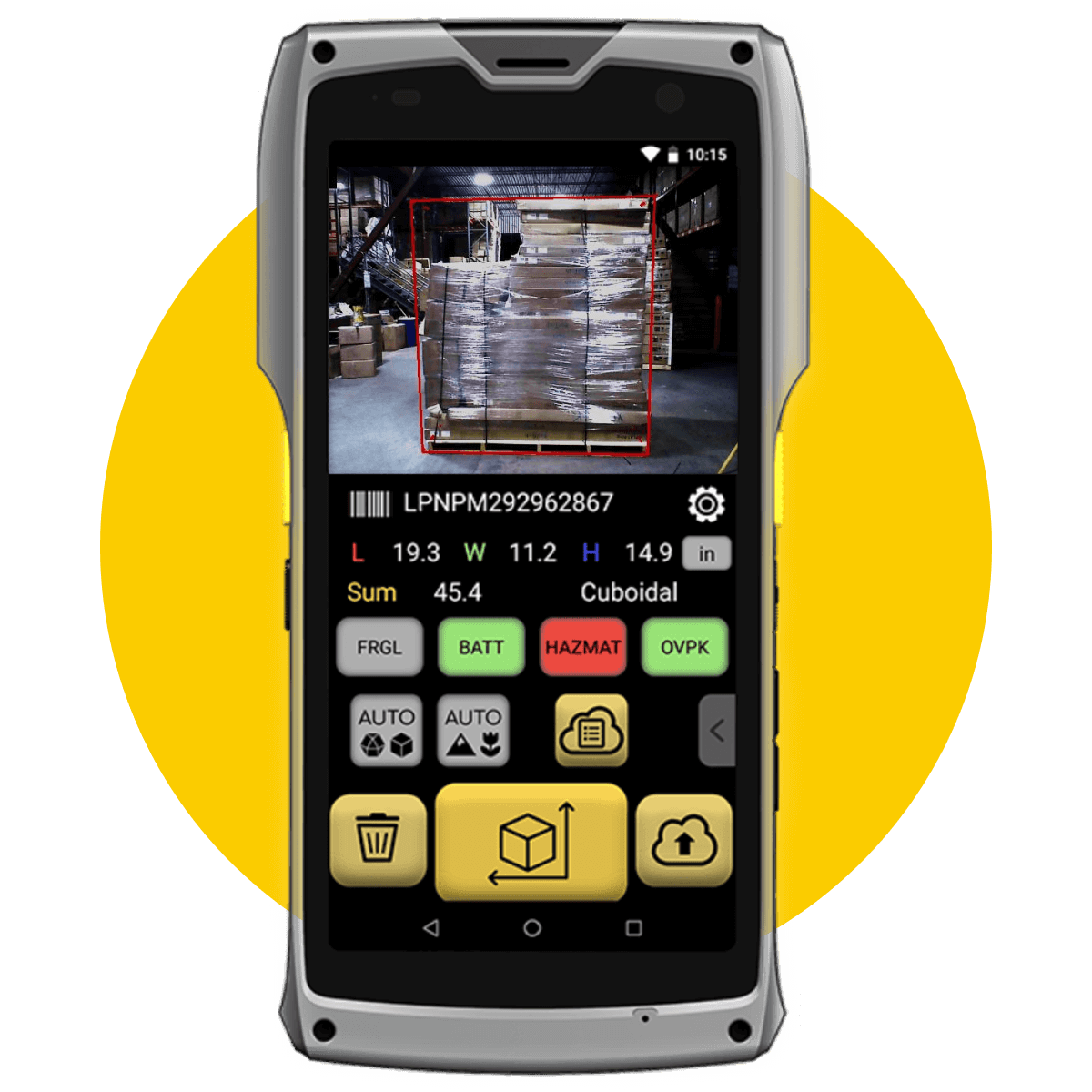
Our programs are designed around how furniture actually moves through your supply chain.
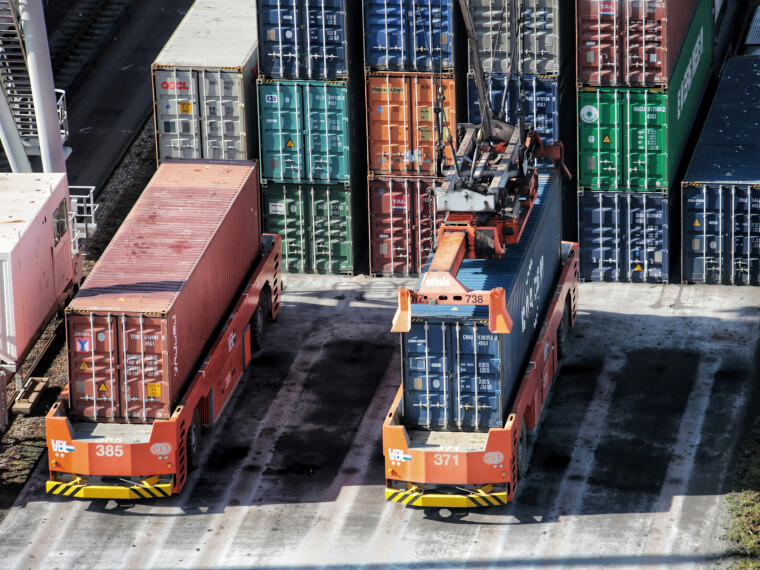
We plan container-direct moves with proper drayage timing, controlled unloads, and structured reloads so floor-loaded freight takes fewer touches and avoids storage and damage.
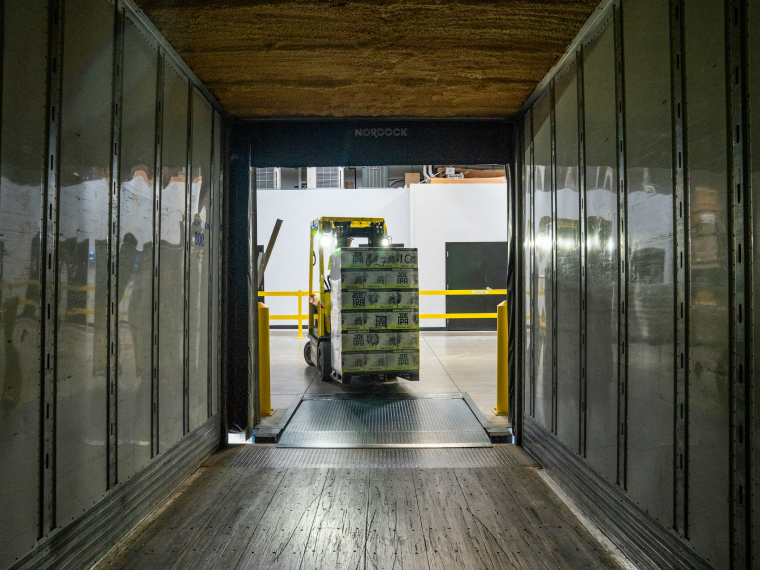
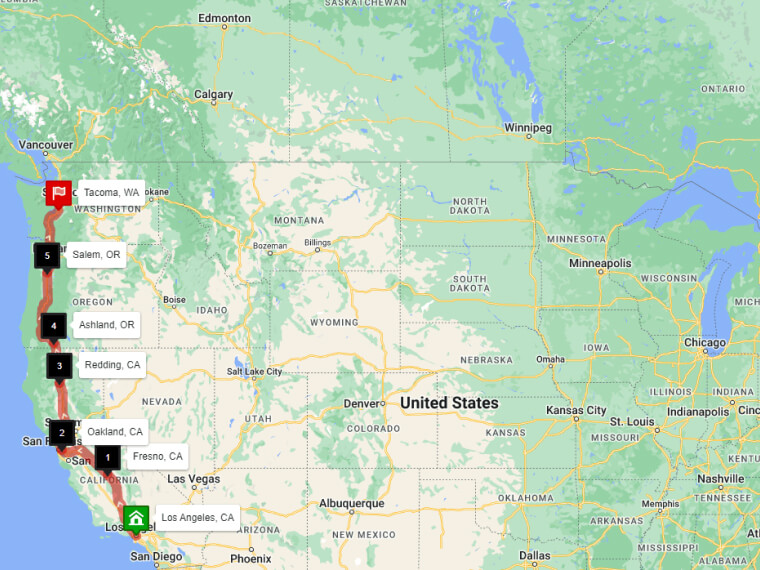
We turn scattered dealer and store orders into planned multi-stop TL, reducing terminals, touches, and cost per piece compared to SFC networks or ad hoc LTL.

For fill-ins and e-com exceptions, we pair the right LTL carriers with dock-level QA to reduce rebills, reweighs, and damage claims.

For Mexico and Canada flows, our cross-border team manages documents, timing, and communication so TL and LTL cross smoothly and on schedule.
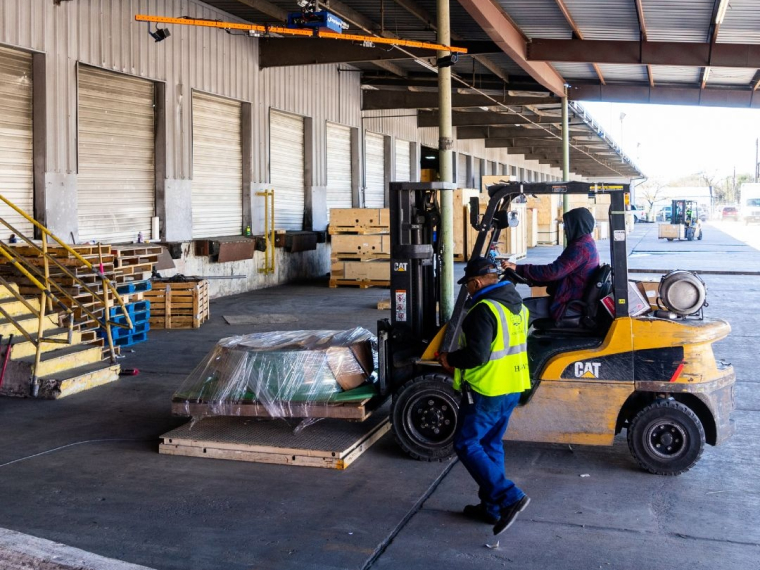
Using LTL Flow and QBOID, we capture dims, weight, and four-side photos against simple checklists so pallets leave consistently prepared and fully documented.
We unify ocean, drayage, TL, consolidation, LTL, and returns into one view so you can track landed cost, damage rates, astray moves, and variance by lane and mode.
See how Pinnacle reduces damage, astray freight, and landed cost across containers, TL, consolidation, LTL, and returns.

